What Is Food Cost Percentage?
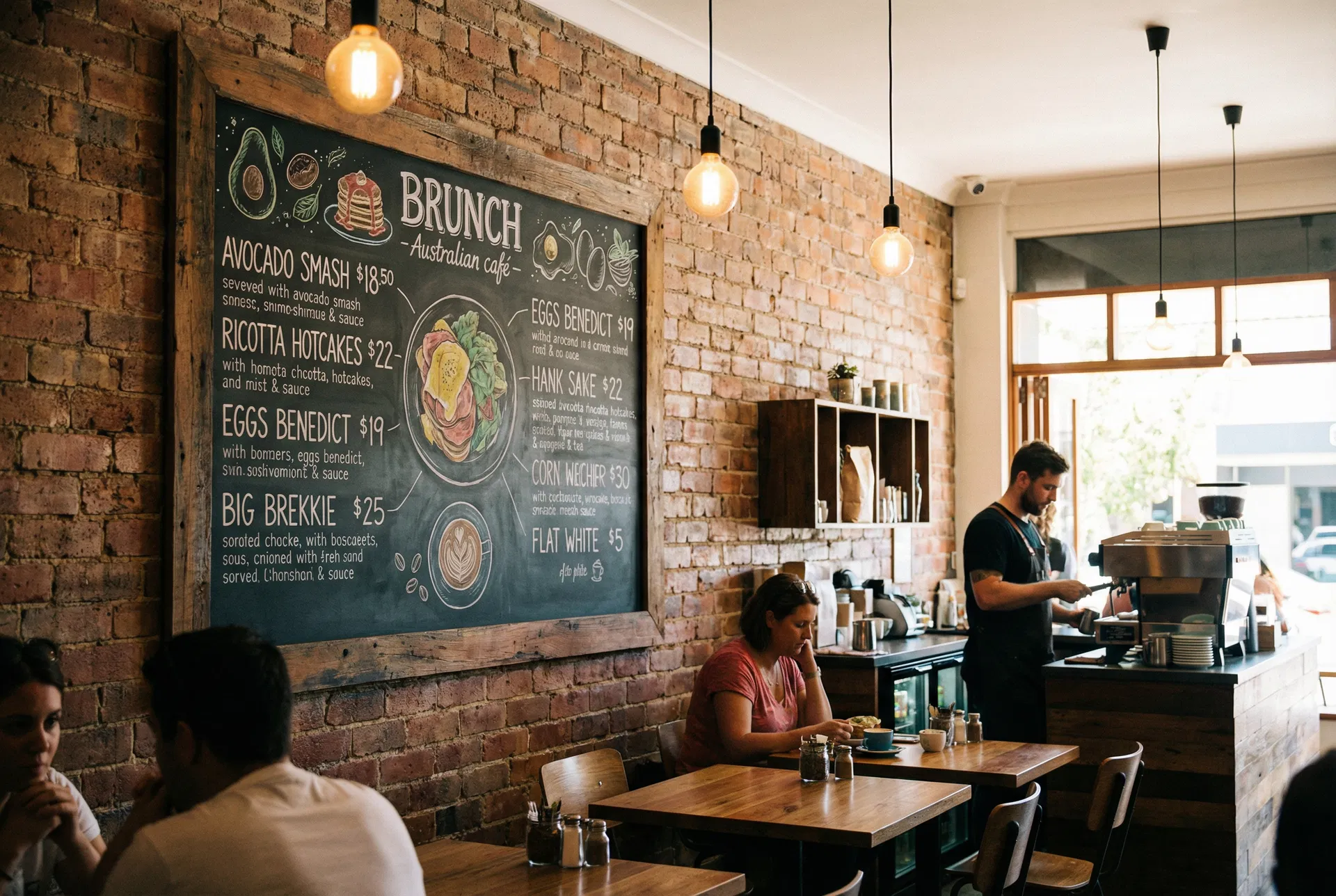
Food cost percentage is the ratio of what you spend on ingredients to what you earn from selling those dishes. The formula is simple: divide your total ingredient cost by your menu selling price, then multiply by 100. For example, if your Eggs Benedict costs A$8.40 to make and sells for A$22.00, your food cost percentage is 38.2%.
What's the Target for Australian Cafés?
Most successful Australian cafés aim for a food cost percentage between 28% and 35%. Breakfast-focused cafés tend to sit closer to 30–32%, while cafés with more complex lunch menus may run slightly higher. Coffee, which typically has a food cost of 10–15%, helps bring the overall average down — which is why a strong coffee trade is so valuable to your bottom line.
Why Your Food Cost Might Be Too High
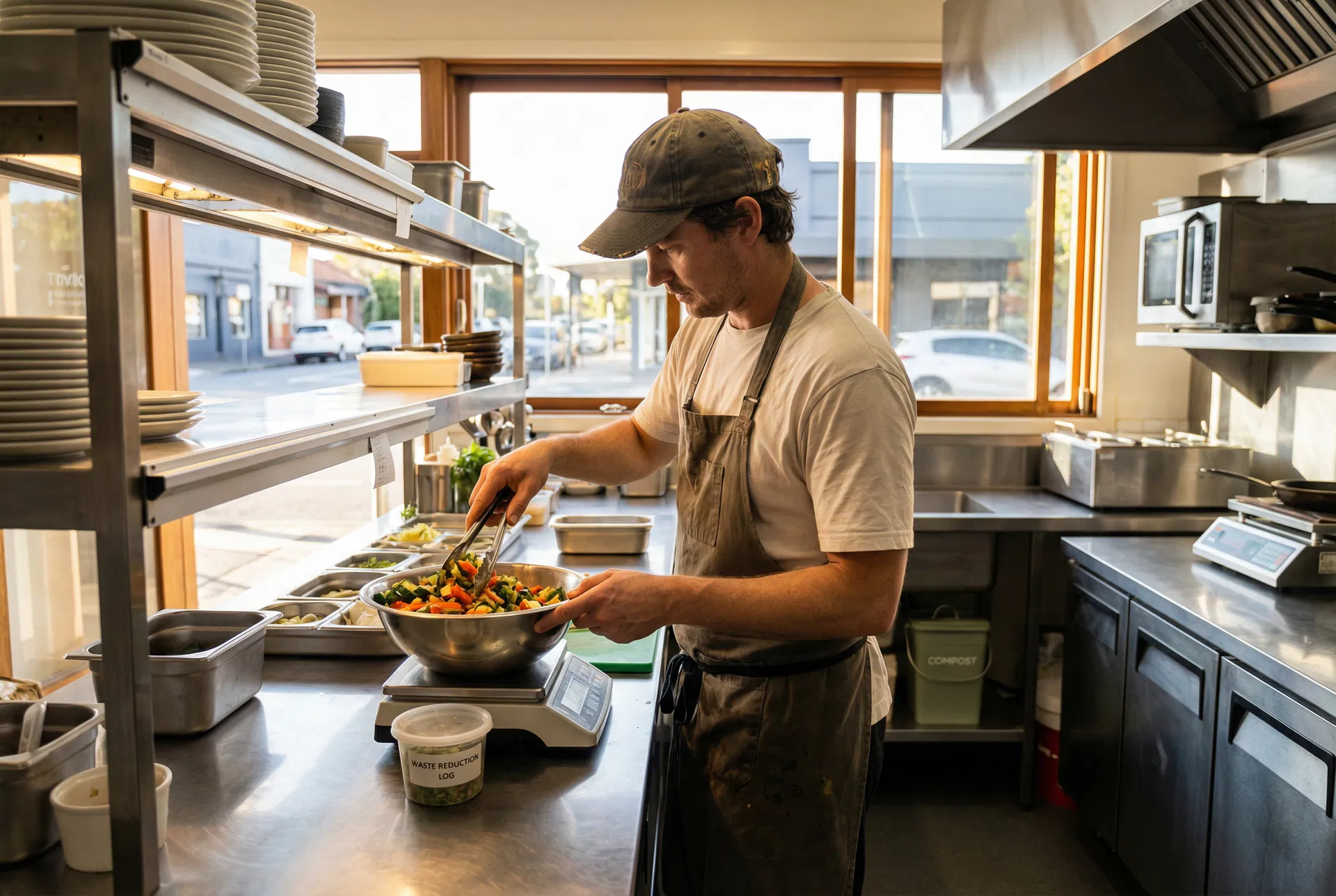
Common culprits include over-portioning (a few extra grams per dish adds up fast across 100 covers), buying premium ingredients where a mid-range product would do, and menu items that were priced years ago and haven't kept up with Coles and Woolworths price increases. Seasonal produce fluctuations are another major factor — a dish priced around mangoes in summer can blow out badly in winter.
How to Calculate It Accurately
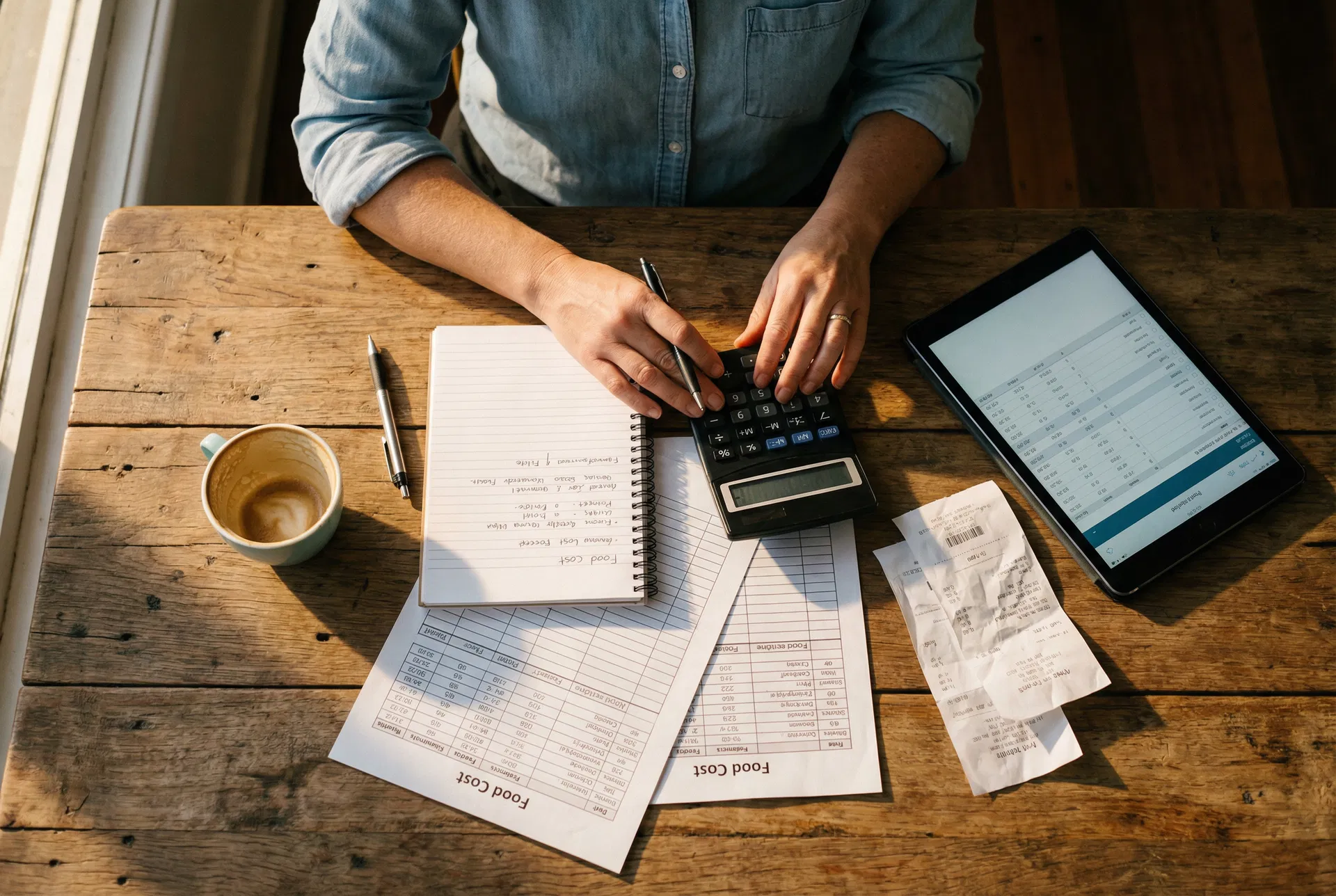
The most accurate way is to cost every ingredient in every dish using current supermarket prices. Tools like CostMyRecipe.app pull live Coles and Woolworths pricing so your calculations are always based on what you're actually paying today — not what you paid 18 months ago when you last updated your menu.
Quick Wins to Reduce Food Cost
Start by auditing your top 10 selling dishes. Even a 2% reduction in food cost across your best sellers can add thousands to your annual profit. Review portion sizes, check for plate waste, negotiate with suppliers, and consider engineering your menu to push higher-margin items. Small, consistent changes compound quickly.