
Start With Your Ingredient Cost
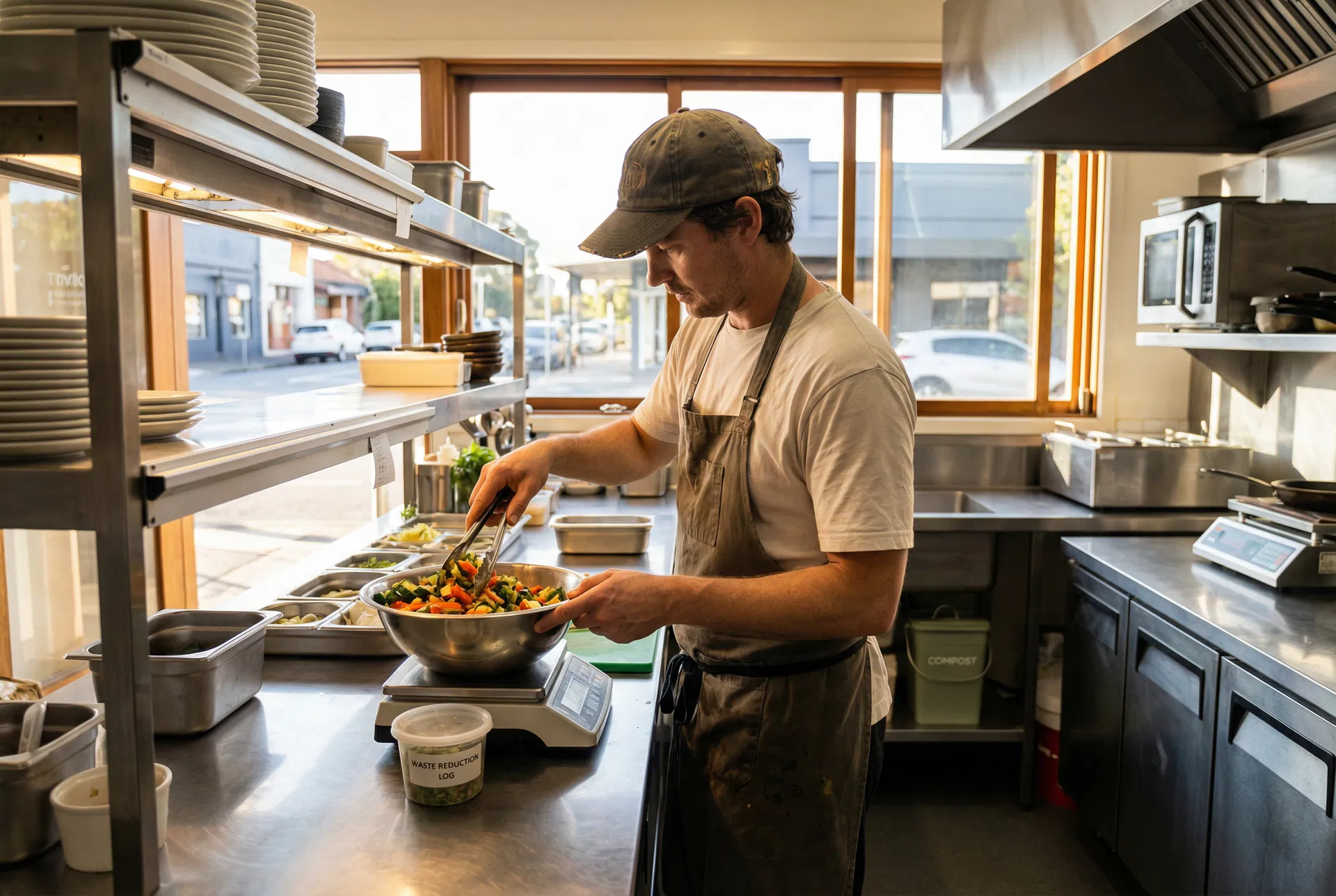
Before you can price anything, you need to know exactly what each dish costs to make. This means costing every ingredient by weight or volume — not guessing. A flat white might cost A$0.60 in milk and coffee beans. Your Eggs Benedict might cost A$8.40. These are your foundation numbers.
Apply the Food Cost Multiplier
The simplest pricing method is to divide your ingredient cost by your target food cost percentage. If you want a 30% food cost, divide ingredient cost by 0.30. So a dish costing A$6.00 to make should sell for at least A$20.00. This is your minimum viable price — before labour, rent, and profit.
Factor In Labour and Overheads
Ingredient cost is only part of the picture. Labour typically adds another 30–35% of revenue for Australian cafés, and overheads (rent, power, insurance, packaging) add another 15–20%. This means your total cost of serving a dish is often 75–85% of revenue — leaving a thin margin for profit. Knowing this helps you understand why menu pricing needs to be precise, not approximate.
Check Against the Market
Once you have your cost-based price, check it against what similar cafés in your area are charging. If your Eggs Benedict costs A$8.40 to make and the market charges A$22–$26, you're in a healthy range. If your costs push you above market price, you need to either reduce ingredient costs or reposition the dish.
Review Prices Every Six Months
Ingredient prices change constantly. Avocados can swing from A$1.20 to A$3.00 depending on the season. Free-range eggs fluctuate with feed costs. If you set your menu prices once and never revisit them, your margins quietly erode. Build a habit of re-costing your top 20 dishes every six months using current Coles and Woolworths prices.