
1. Track What You're Throwing Away
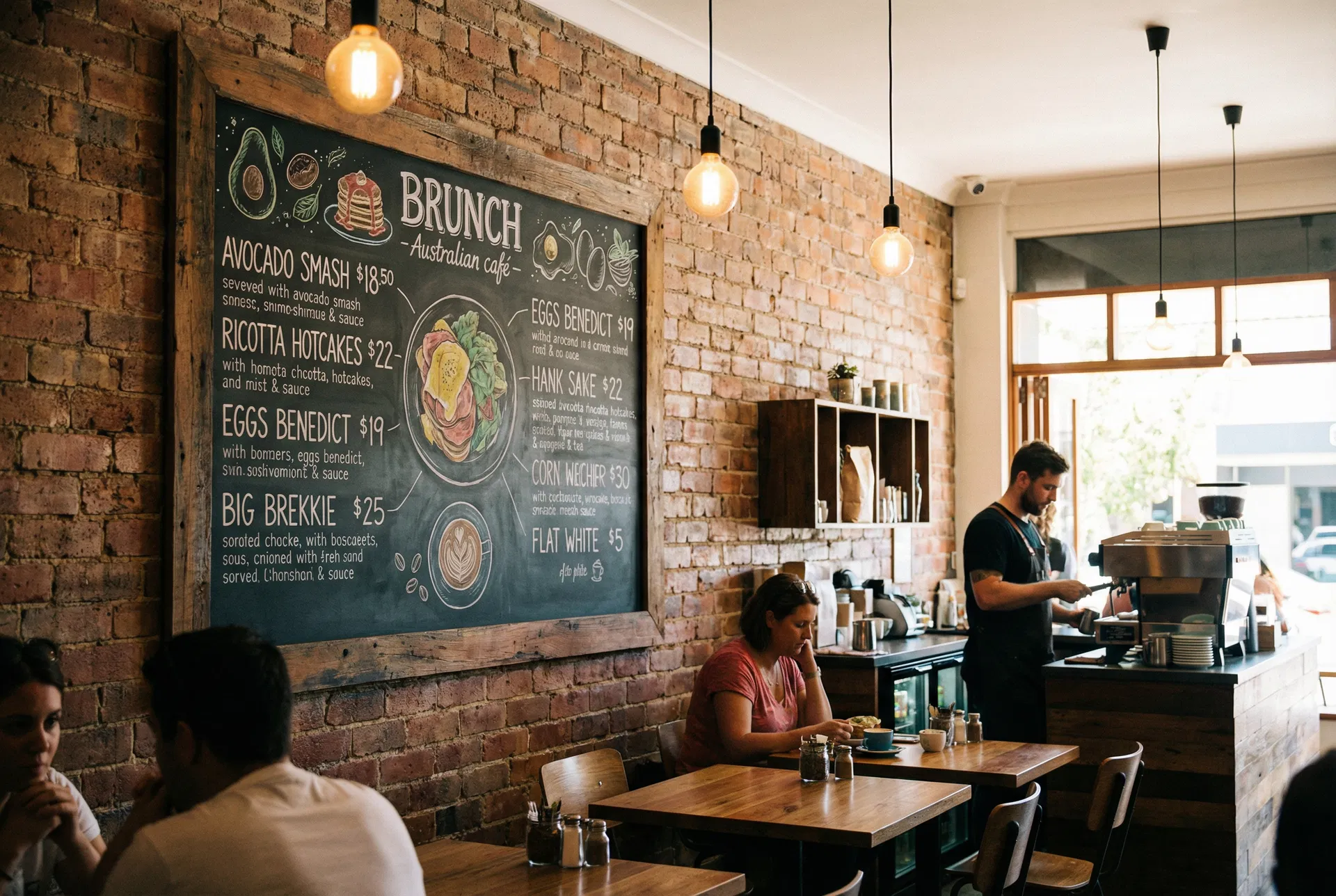
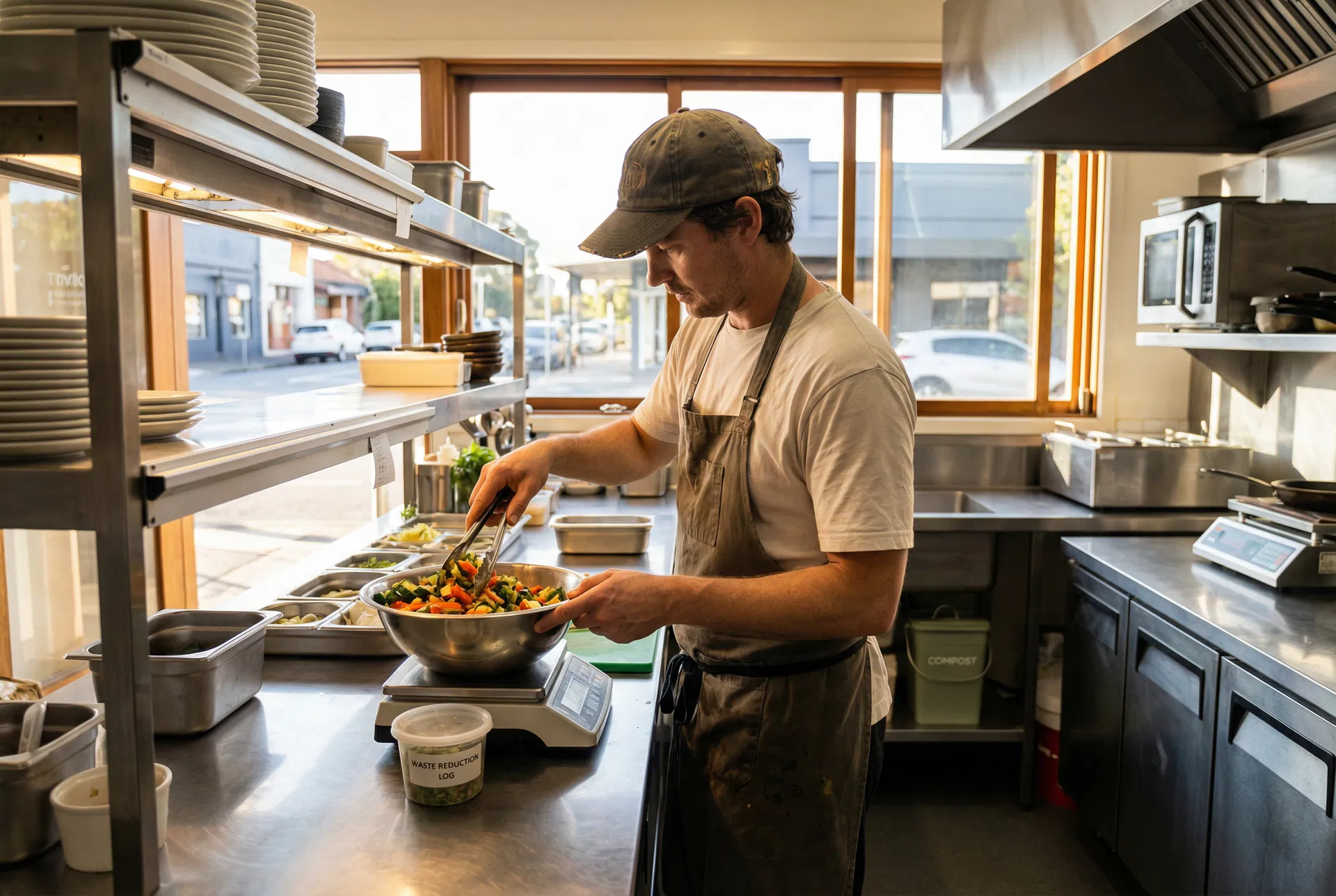
You can't fix what you don't measure. Keep a simple waste log for one week — just a notepad in the kitchen where staff record what gets binned and why. You'll quickly see patterns: too much bread prepped on Mondays, herbs wilting before use, over-portioned sides.
2. Right-Size Your Ordering
Most over-ordering happens because ordering is done by habit rather than by data. Review your sales data before each order and buy to par — the minimum stock needed to get through to your next delivery. For fresh produce, order every two days rather than weekly if your supplier allows it.
3. Use Mise en Place Discipline
Prepping only what you need for the day — rather than the whole week — dramatically reduces waste. Yes, it requires more daily prep time, but the reduction in thrown-away food more than compensates. Batch-cook items that hold well (stocks, sauces, grains) and prep fresh items daily.
4. Cross-Utilise Ingredients
Design your menu so ingredients appear in multiple dishes. If you use sourdough for avocado toast, use the ends for croutons in a salad. If you roast sweet potato for a bowl, use the offcuts in a soup. Every ingredient should have at least two uses on your menu.
5. Standardise Portion Sizes
Inconsistent portioning is both a waste problem and a cost problem. If one chef puts 200g of smashed avo on a plate and another puts 250g, your food cost varies by 25% on that dish alone. Use portion scales, ladles, and scoops to standardise every dish. Train new staff on portions before they go solo.