
Know Your Numbers Before You Negotiate
You can't negotiate effectively without knowing what you're currently paying and what the market rate is. Before any supplier conversation, cost out your top 20 ingredients using current Coles and Woolworths retail prices as a benchmark. If your wholesale price is within 15–20% of retail, you're getting a reasonable deal. If it's at or above retail, it's time to shop around.
Consolidate Your Spend
Suppliers give better prices to customers who spend more with them. If you're buying dry goods from three different suppliers, consider consolidating to one or two. The volume discount you unlock often more than compensates for any convenience you lose. Ask your primary supplier what price break you'd get if you moved 80% of your spend to them.
Use Seasonal Produce Strategically
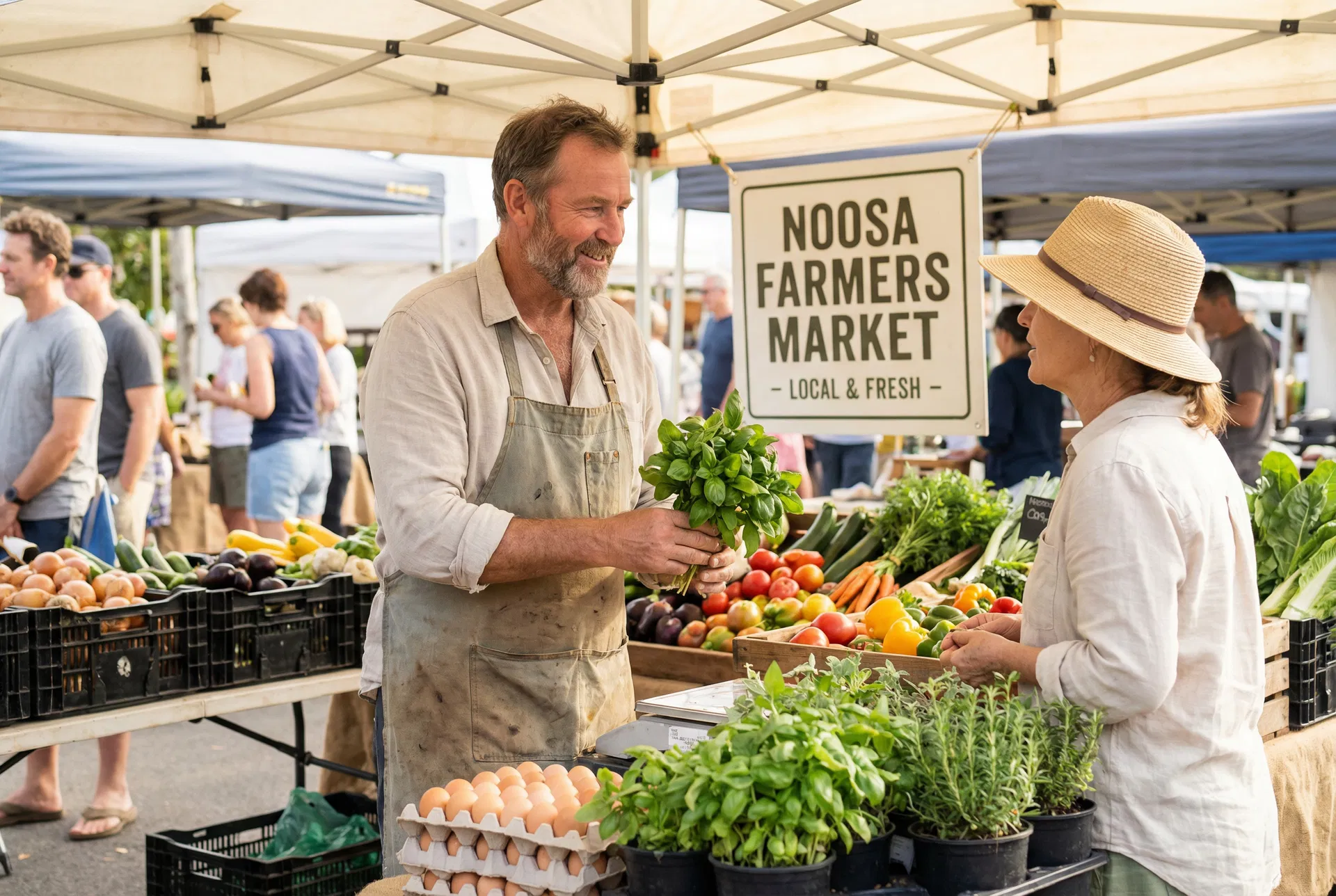
Seasonal produce is always cheaper than out-of-season. A mango salad in December costs a fraction of what it costs in July. Build your menu around what's in season and you'll naturally reduce ingredient costs while also improving quality. Talk to your produce supplier at the start of each season about what's going to be abundant and cheap.
Get Competing Quotes Annually
Even if you're happy with your current suppliers, get competing quotes once a year. This keeps your existing suppliers honest and sometimes reveals significantly better deals. When you receive a better quote, go back to your preferred supplier first — most will match or beat it to keep your business.
Build Relationships, Not Just Transactions
The best supplier deals often come from genuine relationships. Suppliers who like you will call you first when they have excess stock at reduced prices, tip you off about upcoming price rises, and go out of their way to help when you're in a pinch. Visit your suppliers occasionally, pay on time, and treat their reps with respect.