
Why Seasonal Produce Is Cheaper
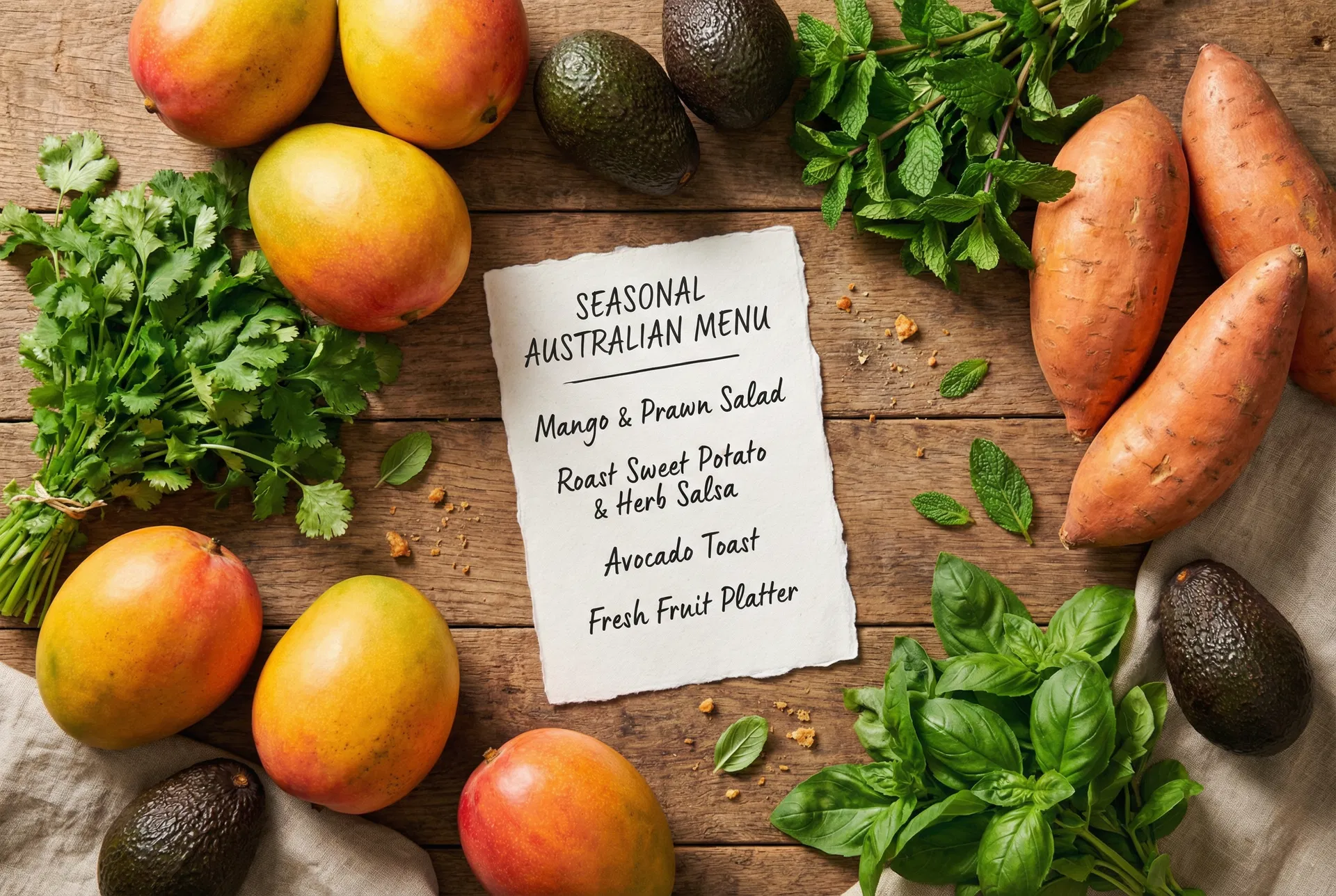
When produce is in season in Australia, supply is high and prices drop significantly. Mangoes in December can cost A$0.80 each; in July they can be A$3.50. Avocados follow a similar pattern. Building your menu around seasonal abundance rather than fighting against it can reduce your produce costs by 20–30% over the year.
Australian Seasonal Calendar for Cafés
Summer (Dec–Feb): mangoes, stone fruits, berries, tomatoes, zucchini, corn. Autumn (Mar–May): pumpkin, sweet potato, apples, pears, figs, mushrooms. Winter (Jun–Aug): citrus, broccoli, cauliflower, leeks, spinach, kale. Spring (Sep–Nov): asparagus, peas, strawberries, new potatoes, broad beans. Plan your specials board around these cycles.
How to Transition Your Menu Seasonally
You don't need to overhaul your entire menu four times a year. Instead, keep your core menu stable and rotate 3–5 seasonal specials each quarter. This gives regular customers something new to try while maintaining the familiarity they value. It also lets you test new dishes before deciding whether to add them permanently.
Communicate Seasonality to Your Customers
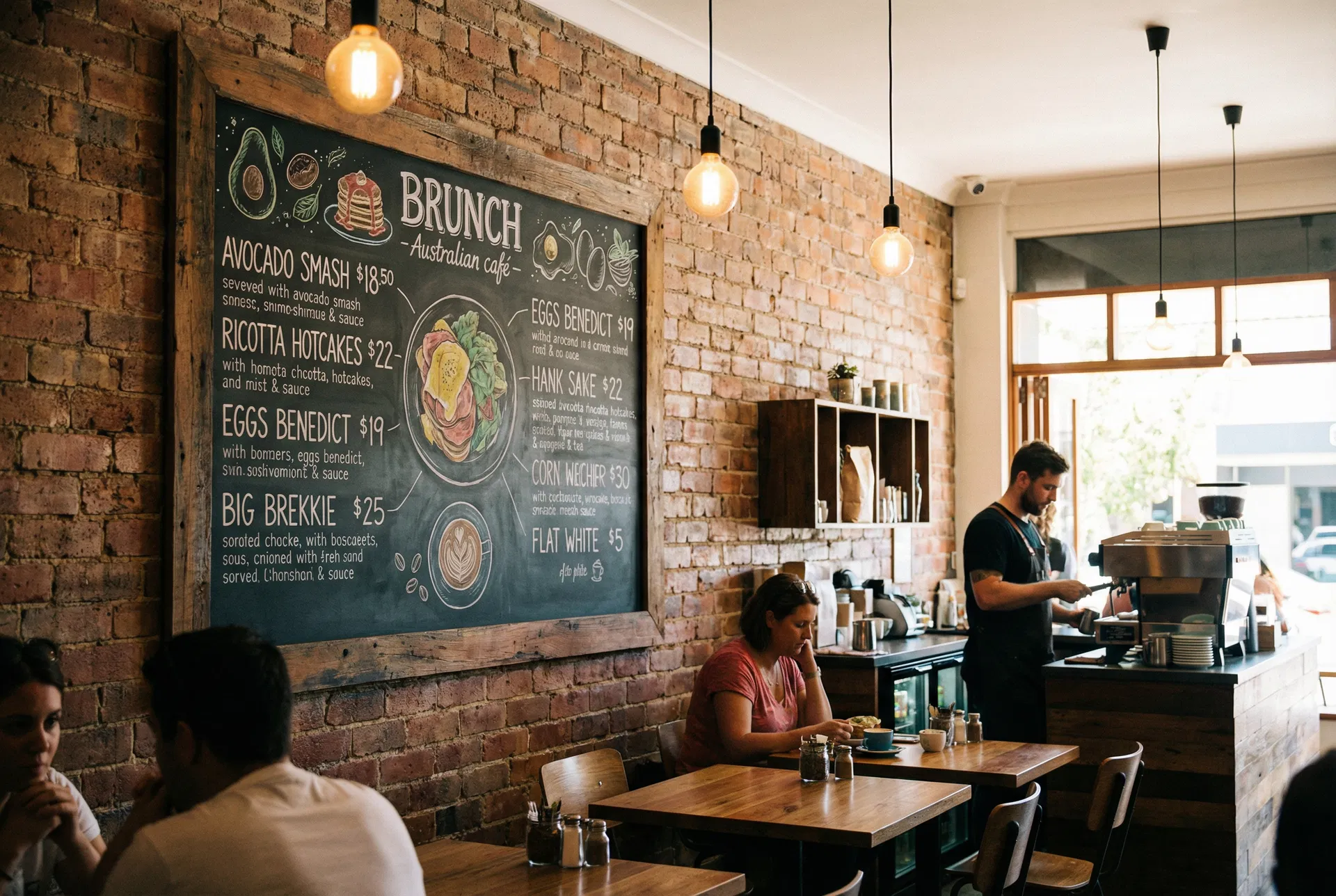
Customers increasingly value local, seasonal food. Calling out seasonal ingredients on your menu — 'Victorian strawberries', 'Queensland mangoes', 'Tasmanian salmon' — adds perceived value and justifies premium pricing. It also tells a story that differentiates your café from chains that serve the same menu year-round.
Re-Cost Seasonal Dishes Before Launch
Before adding a seasonal dish to your menu, cost it using current ingredient prices. A dish that looks profitable in October when you're planning it may have very different economics in December when you actually launch it. Use a recipe costing tool to model the dish at both current and expected peak-season prices.